
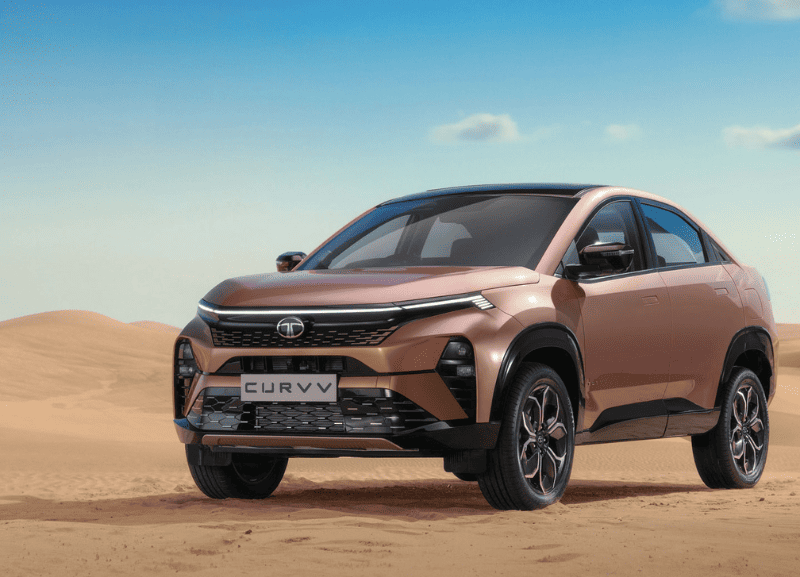
The latest price hike has also hit Tata vehicles and SUVs in India’s passenger-vehicle sector, which has seen multiple price changes in 2026. Tata Motors Passenger Vehicles said it would hike prices across its passenger-vehicle range by up to Rs 25,000, effective September 1, 2026. The change applies to internal-combustion-engine (ICE) cars and electric vehicles (EVs), although the actual increase will vary by model and version.
If you’re thinking of buying a new car, the big question is whether to buy now or wait for offers that may come later. Many factors are involved, including your budget, how soon you need the car, your financing plans, the version you want, and the incentives the dealership is offering.
What Does the Price Increase in 2026 Mean for the Buyer?
A rise of Rs 10,000 or Rs 25,000 may seem small compared to the overall cost of an automobile. However, when you add registration, insurance, accessories, finance, and other expenses, it can still affect the total purchase budget.
For a customer with a fixed budget, even a small increase may require choosing an alternative version or raising extra money.
We can see this by:
- Ex-showroom price: A direct price revision affects the vehicle’s starting cost.
- On-road price: Registration, insurance, and other charges can make the final increase higher than the headline price change.
- EMI: Financing a higher amount may slightly increase monthly payments.
- Variant selection: Buyers may reconsider a higher variant if the overall budget becomes tighter.
- Accessories: Optional accessories may need to be postponed if the purchase budget is already stretched.
Therefore, the customer should compare the full on-road price, not just the advertised ex-showroom price.
Is Now the Time to Buy a Car?
If the model and version you want are in stock, and the dealer is prepared to throw in a good overall package, then buying now might make sense for someone who has already decided to buy a vehicle.
September pricing is already in force, so if you wait to avoid the announced rise, you will still get September prices.
It may be sensible to buy sooner if:
- You desperately need a new automobile.
- Your favourite version is now available.
- You’ve already lined up the financing.
- The merchant is giving a good exchange or festival reward.
- A good insurance or credit deal has been offered.
- You want to avoid the unpredictability of future price changes.
The crucial thing is to look at the whole amount you’ll end up paying, rather than presuming that a price rise makes buying right away a better or worse idea.
How Much Does the Price Increase Affect Your Budget?
The impact depends on the vehicle you choose. A hike of ₹25,000 is a different financial proposition for a ₹6 lakh automobile than for a vehicle priced at ₹15 lakh and beyond.
Let’s take an example of a customer with a ₹10 lakh on-road budget. A relatively small increase might require the buyer to:
- Recharge the deposit
- Increase the quantity of finance
- Select a lower variation
- Negotiate increased dealer benefit
- Consider another model
- Wait for a raise.
Buyers should also consider the total cost of ownership, not just the purchase price. Fuel or power prices, insurance, service, maintenance, and depreciation might affect the long-term cost.
How About Electric Cars?
The September 2026 pricing adjustment also applies to electric automobiles. New showroom pricing will be one factor EV consumers must consider before buying. Ownership costs may be influenced by charging access, daily driving distance, battery warranty, charging fees, and existing infrastructure.
Before buying an EV, purchasers may check:
- Ex-showroom price (current)
- Available variation and battery configuration:
- Home charging requirements
- Public charging available
- Warranty period
- Expected daily running
- Cost of financing
- Any applicable incentives
So, an EV buyer should not choose based on a short-term price change.
Buying or Waiting: What’s the Way to Go?
There is no one-size-fits-all solution for buyers. The headline ₹25,000 number matters less than your timing and financial position.
1. Be Patient and Flexible
If your purchase isn’t urgent, it may be worth keeping an eye on dealership discounts throughout the Christmas period. Depending on stock levels, demand, and monthly sales objectives, dealers may offer incentives.
2. Compare the Exact Version
Always compare the identical variation before and after the price change. If a model’s initial price changes, it doesn’t always mean the increase applies to every version.
3. Calculate Your EMI
If you are applying for a loan, calculate the EMI on the actual amount you will finance. A small change in purchase price can change the down payment and monthly repayment.
Questions Buyers Should Ask the Dealer?
Buyers should get a comprehensive estimate before booking, rather than relying on verbal pricing.
Request:
- Current ex-showroom price
- Finance processing charges
- Final on-road price
- Expected delivery date
This approach makes it easy to compare offers from various dealerships and to grasp the exact amount needed.
Final Thoughts
The 2026 Tata automobile price rise has raised prices across the passenger-vehicle portfolio by up to ₹25,000 from September 1, with various hikes for different models and variants. The change applies to both ICE cars and EVs.
Those planning to buy a vehicle soon should negotiate the best final on-road price rather than wait for the current revision. Buyers with flexibility might keep an eye out for seasonal offers and dealer discounts and stock-related perks before making a call.
The optimal timing ultimately relies on your budget, urgency, chosen version, financing needs, and the actual offer available at the time of purchase.